Before moving into their Habitat home, Katherine and her family were living in a small, two-bedroom basement suite. The location was convenient and their landlords were kind, but the space itself was holding them in place.
There was little room for children to grow, no space for family and friends to gather, and no sense of permanence. “It was shelter,” Katherine recalls, “but it wasn’t home.”
More than anything, there was a quiet feeling of hopelessness and uncertainty about whether homeownership would ever be possible, or whether life would always feel restricted by space and circumstance.
Stepping into homeownership
When Katherine and her husband Dave moved into their Habitat home in 2004, some of the most meaningful changes felt almost invisible at first. “I remember just basking in the sunlight,” Katherine says. “We’d been in a basement suite for so long, and I didn’t realize how much that darkness was affecting me until we moved.”
The house felt lighter, literally and emotionally – a quiet shift that would matter more over time.
Their children could invite friends over and birthday parties spilled onto the lawn. Family from out of town could finally stay together under one roof. Katherine planted trees, confident they would be there long enough to watch them grow.
“Having people over. Birthday parties. Celebrations. Those things matter more than you realize.”
Stability through profound loss
A few years later, life took a devastating turn. Dave was diagnosed with terminal cancer and passed away in 2011. In the midst of grief and uncertainty, Katherine’s Habitat home became an anchor.
Housing was one thing she did not have to worry about. “In a time of profound loss, we knew we weren’t going to have to move.”
Her children stayed in the same neighbourhood, attended the same schools, and leaned into relationships that had already been built. The house absorbed the shock that might otherwise have fallen on them.
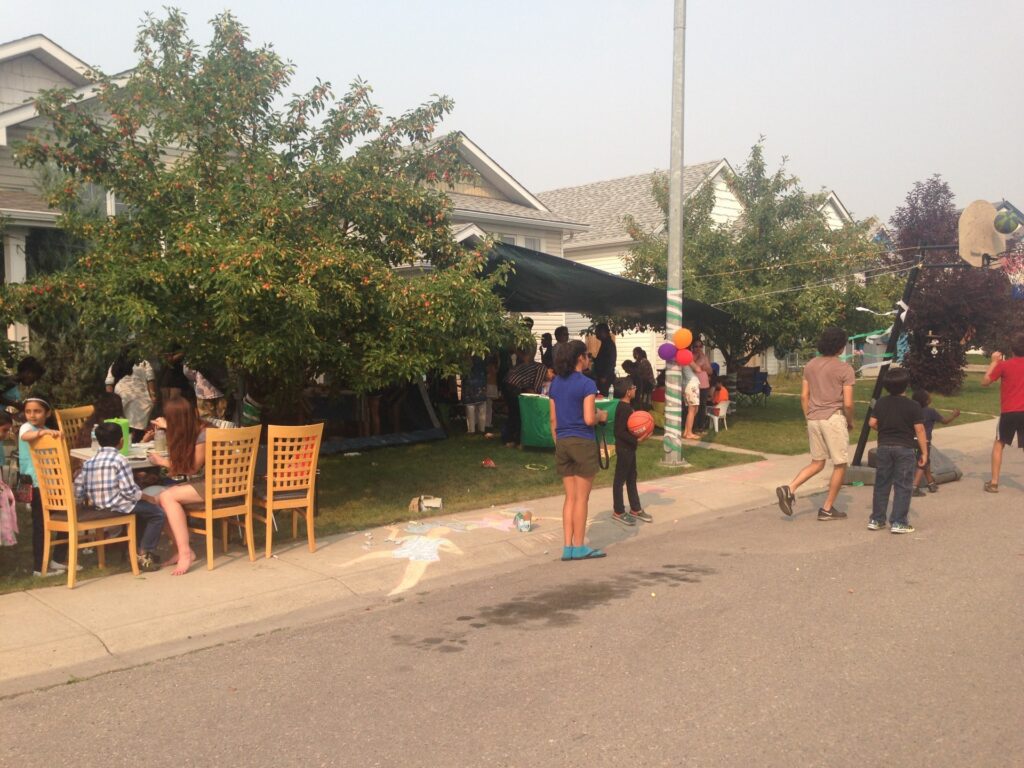
Neighbours became an extension of family. Children moved freely between homes. Support showed up in quiet, practical ways: shared meals, neighbours stepping in, and a sense of trust that didn’t need to be named. Over time, those relationships deepened. Their children grew up together, attended one another’s milestones, and now carry a shared history shaped by proximity and trust.

Moving forward
As the years passed, Katherine began to notice a shift. The home was no longer just helping her family get through a hard chapter, it was helping them move forward. With an affordable mortgage and long-term security, Katherine was able to make choices guided by values rather than urgency.
“You move from survival mode to realizing you can actually plan for the future.”
She pursued her Master’s degree, found a passion in supporting new immigrants, and invested in her children’s futures. The mental space created by housing stability helped open doors that once felt firmly closed.

Belonging and rootedness
In 2025, Katherine paid off her mortgage – a moment that brought both relief and pride. “When it was paid off, it felt like this is really mine,” she says, “and that changes everything.”
Today, even as Katherine prepares for a new chapter in her own life, her Habitat home remains in the family. Her son continues to live there, rooted in the home and community where he grew up. The home is continuing to do its work.
Looking back, Katherine describes homeownership as rootedness. “When we feel like we belong someplace,” she says, “it changes what we believe is possible.”
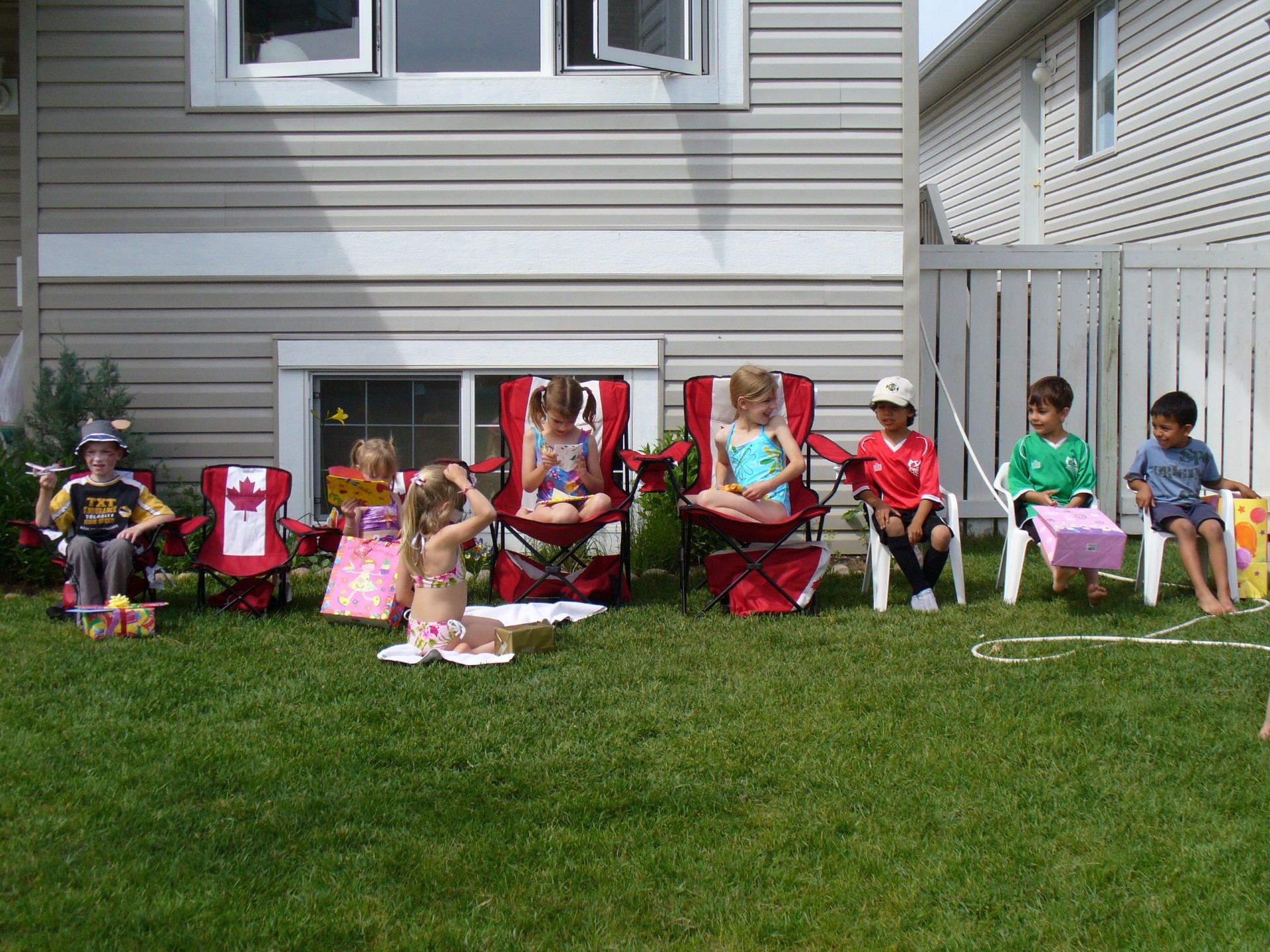
Birthday parties were spent with neighbours that became like family.
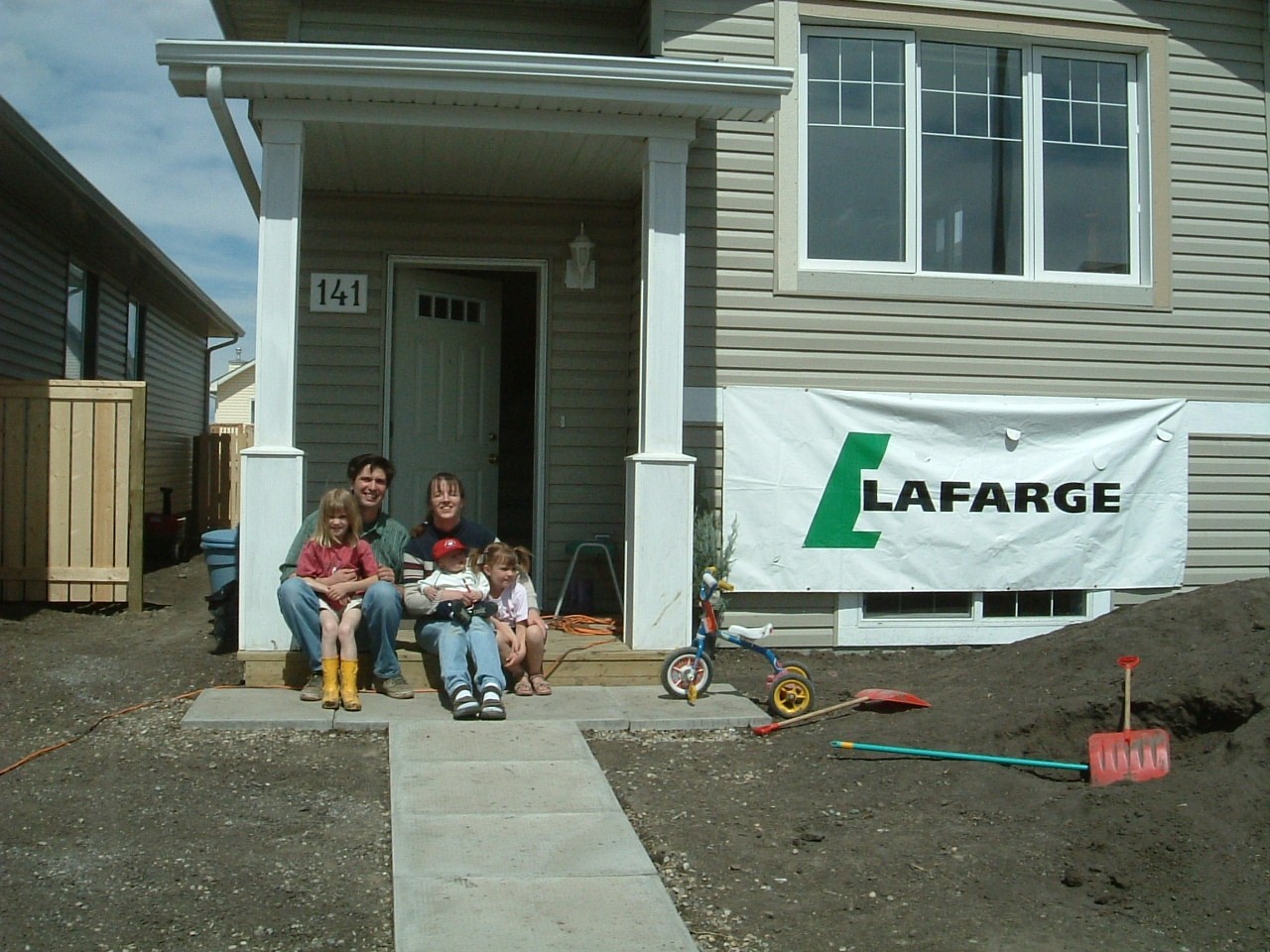
Katherine, with her late husband and three young children, sits on the front porch of their newly finished home in 2004.
