Living in between
Faris and Ashna’s basement suite works in the way many rentals do. It is a place to sleep, eat, and get through the day. But it has never felt like a place where their family can fully settle.
The entrance is narrow and the hallway is tight. When they first moved in, getting furniture downstairs was a challenge. Since then, they have adjusted their expectations around what can fit and what they can keep. Storage is limited. The boys share a bedroom. Laundry is shared with the upstairs tenants, as is the main entrance.
That shared entrance is one of their biggest concerns. The tenants upstairs change often and they rarely know who will be living there next. With young children, that uncertainty is unsettling.
In the winter, the basement feels damp and humid, and they cannot control the heat. Even small maintenance requests become stressful and tedious.
Individually, each issue might seem minor. Together, they make the space feel temporary and unstable.
Renting something larger with more security is beyond their budget. With their current income, qualifying for a traditional mortgage is not possible. For now, they live in between what they have and what they hope for.
What home used to mean
The couple moved away from extended family to pursue better opportunities for their children. Back home, raising kids was not something you did alone. Neighbours checked in. Family stepped in. There was a sense of shared responsibility.
They believe that same sense of connection will grow once they are settled in a home and neighbourhood where they can put down roots. When they imagine their Habitat home, they are not only thinking about having more space, but about knowing their neighbours, building relationships over time, and feeling a true sense of belonging.
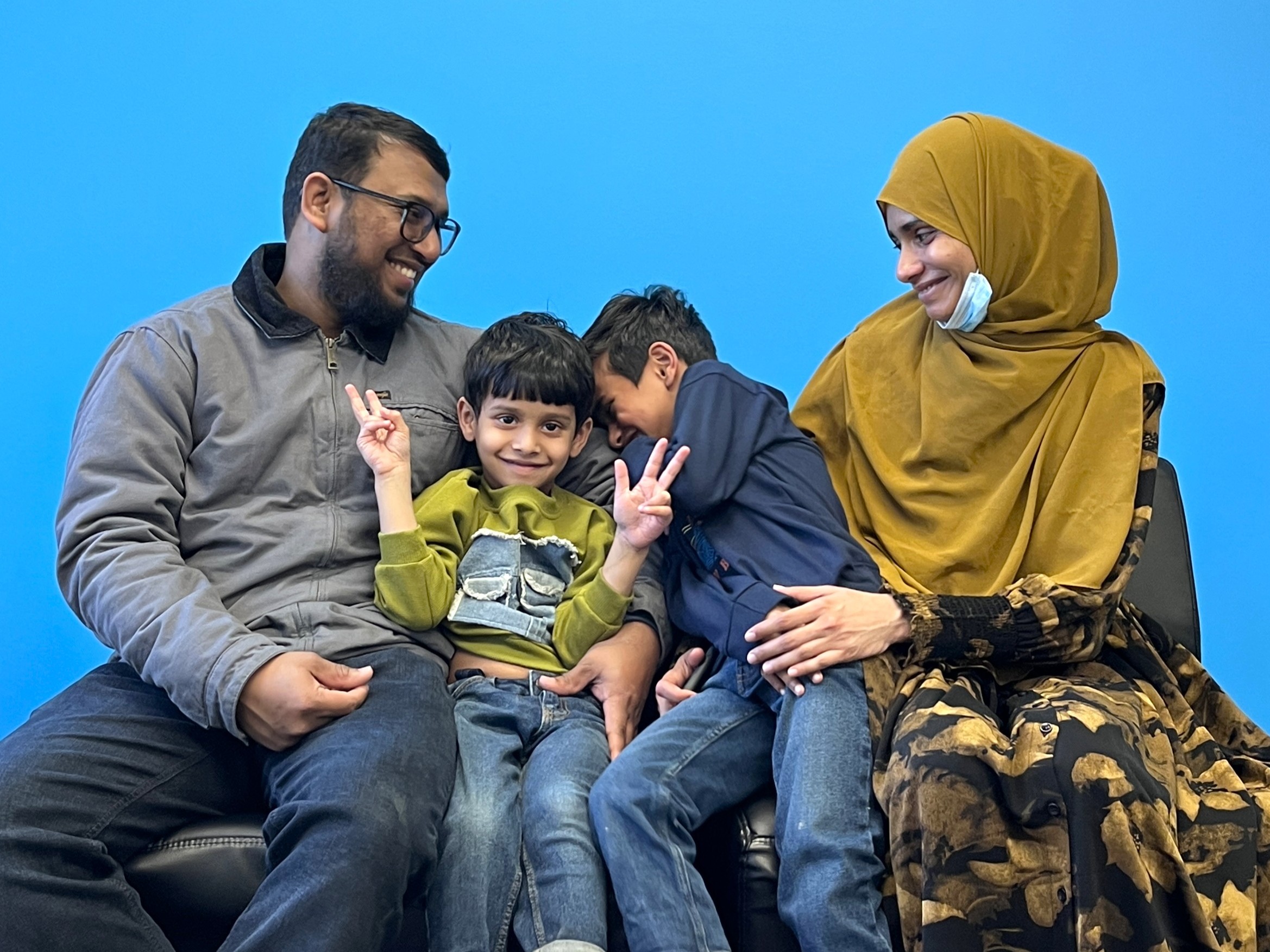
During the interview, their oldest son sat quietly between them, listening as his parents answered questions. It is difficult for him to fully understand what homeownership will mean.
In their future home, each boy will have his own bedroom, although Ashna smiles as she says they will likely still end up together anyway. The younger brother takes comfort in being close to his big brother.
For their children, home will mean space to grow. For Faris and Ashna, it will mean the chance to stay.
Building toward something permanent
Faris has already begun completing his volunteer hours on site. He enjoys the work. In his home country, neighbours often relied on him to help with repairs. He was known as someone dependable.
Now he is adding to what he already knows, learning new tools and techniques while helping build the home his family will live in.
He speaks about it with pride.
The skills he is gaining will not only help him care for his own home, but allow him to show up for others in their new community. The kind of neighbour who steps in when something needs fixing. The kind of person others can rely on.
For Faris and Ashna, a Habitat home is not about having more. It is about having enough. Enough space. Enough stability. Enough certainty to let their children grow up without wondering what might change next.
For the first time, they are not just hoping for something better. They are helping build it.
